Should You Eat Back Your Exercise Calories?

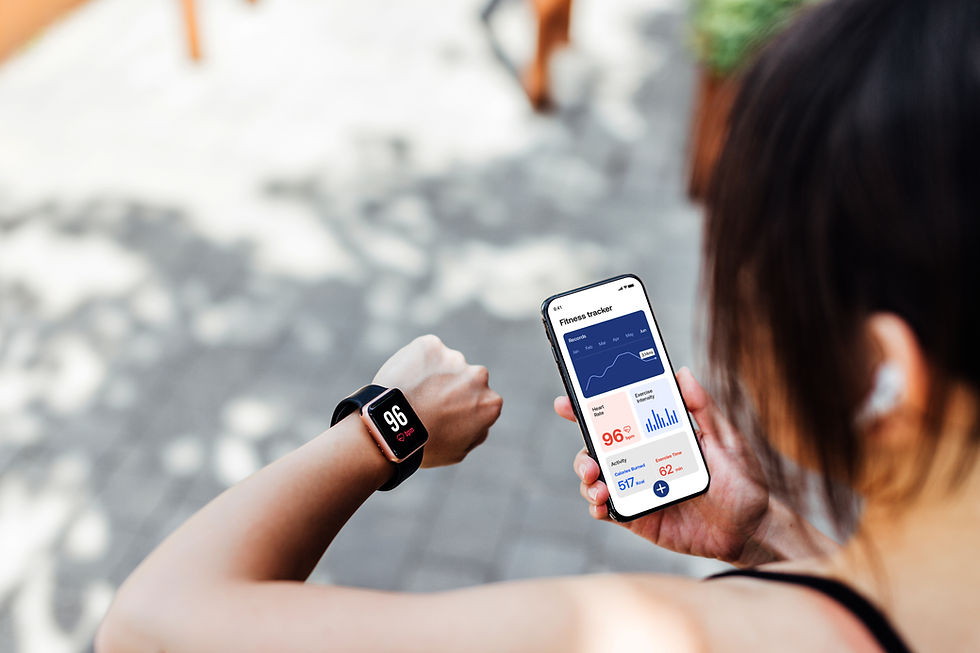
Your calorie target might already have your workouts built into it, and if it does, eating back what your watch says means you're counting the same workout twice. Most calorie calculators ask how active you are, and a lot of them describe the options by how many days a week you work out. The moment you pick anything above sitting at a desk all day, your training goes into the number it hands you. Then you finish a session, your watch shows a big burn, and you add that food on top. Nothing seems off because you did burn something and you're probably hungrier than usual. But you've given yourself credit for the same workout twice, and that can turn a deficit into a surplus before you know it.
Check where your number came from
This is the part worth 2 minutes. Go back to wherever your target came from, whether that's an app, a calculator or a plan someone gave you, and look at what it asked you. If it asked how active you are or how many days you train, your workouts are already in there and you don't need to add them again. Some apps work the other way. They give you a target for your day without exercise and then add your workouts on top as you log them, and that's the one case where eating some of it back is how the app was built to work. Most people have no idea which kind they're using. The app just shows more food left for the day after a workout and you figure that's the deal.
Your watch doesn't actually know how many calories you burned. It's estimating from your heart rate, your movement and the stats you gave it, and it can be off by a fair bit, often on the high side. None of this means you should never eat more on the days you train. Your normal training week is already covered, but the long hike, the extra cardio day you don't usually do, or a session that ran a lot longer and harder than normal isn't. On those days eat a bit more, a proper meal or a bigger snack, and leave the full watch number alone. The other sign is your training. If your workouts are getting worse, you're dragging through sessions you used to handle and you're hungry all the time, you're probably eating too little, whatever your watch or your app says. Your body is giving you better information than either of them at that point. The easiest way to actually settle it is to eat the same way on training days and rest days for 2 weeks and watch what your weight does across those 2 weeks, not day to day. If it's coming down slowly and your sessions feel fine, leave it alone. If it's dropping fast and your workouts are suffering, add a bit more on your hardest days. If it hasn't moved at all, eating back your workouts on top would've made that worse. That back and forth is exactly what the training plus nutrition plan on the coaching page is for, so you're not adjusting it on your own off a number on your wrist.
Who this doesn't apply to
If you're not trying to lose fat, and you're training to build muscle or get better at something, eating more on your hard days is usually a good thing. The same goes for anyone doing long endurance sessions. And if counting calories has started to make food feel like something you have to earn with exercise, that's a good sign to step back from the numbers for a while.


Comments