The Role of a Fitness Coach

Starting or returning to a workout routine can feel overwhelming. You might be unsure about what exercises to do, how to avoid injury, or how to get better results than you’ve seen on your own. That’s where a fitness coach steps in. A fitness coach is more than just someone who tells you what to do at the gym. They are your guide, motivator, and expert partner in your fitness journey. In this post, I’ll explain the role of fitness coaching, how it can help you move better, get stronger, and stay consistent, and what you can expect when working with a professional.
Understanding the Role of Fitness Coaching
Fitness coaching is about more than just workouts. It’s a personalized approach to help you build strength, improve movement, and feel confident in your body. A coach assesses your current fitness level, listens to your goals, and creates a plan tailored to your needs. This plan isn’t a one-size-fits-all routine but a dynamic strategy that adapts as you progress.
A key part of fitness coaching is education. You learn why certain exercises matter, how to perform them safely, and how to listen to your body. This knowledge empowers you to make better choices, avoid common mistakes, and stay motivated. The coach also helps you break through plateaus by adjusting your workouts and introducing new challenges.
One of the biggest benefits is accountability. It’s easy to skip workouts or lose focus when you’re on your own. A coach keeps you on track with regular check-ins, encouragement, and honest feedback. This support helps you build consistency, which is the foundation of lasting results.

How Fitness Coaching Supports Injury Prevention and Recovery
If you’re dealing with nagging aches or past injuries, a fitness coach can be a game-changer. They understand how to modify exercises to protect vulnerable areas while still helping you build strength and mobility. This approach reduces the risk of further injury and promotes healing.
A coach will often include mobility drills, stretching, and corrective exercises in your routine. These help improve joint function and muscle balance, which are crucial for long-term health. They also teach you how to recognize signs of overtraining or strain, so you can adjust before problems arise.
For example, if you have lower back pain, a coach might focus on strengthening your core and improving your posture. If knee pain is an issue, they’ll work on hip and leg strength to support the joint better. This personalized care makes your workouts safer and more effective.

What to Expect When Working with a Fitness Coach
When you start with a fitness coach, the first step is usually an assessment. This might include discussing your health history, current activity level, and specific goals. The coach may also evaluate your movement patterns and strength to identify areas that need attention.
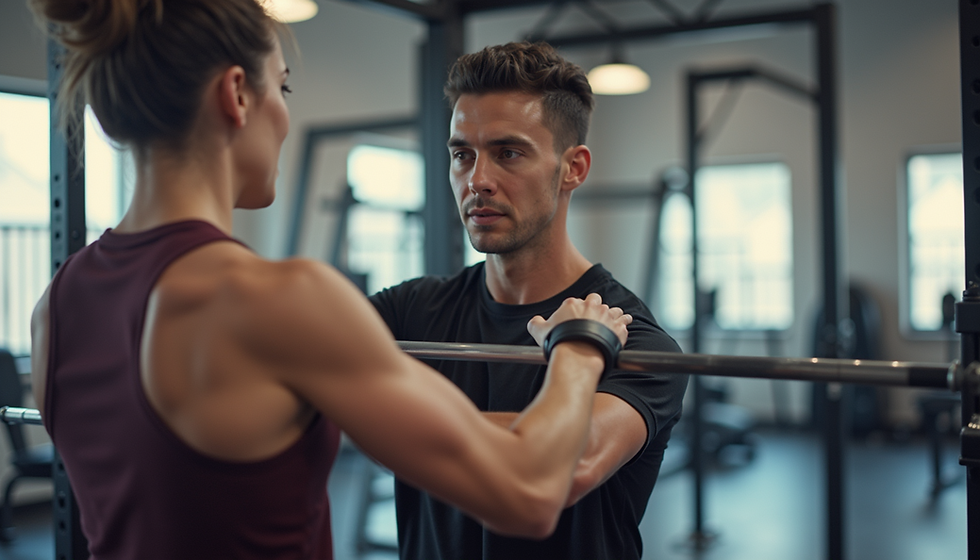
From there, you’ll receive a customized workout plan designed to fit your lifestyle and preferences. The coach will explain each exercise, demonstrate proper form, and provide tips to help you stay safe and effective. You’ll also get guidance on nutrition, recovery, and mindset to support your progress.
Regular communication is key. Your coach will check in to track your progress, answer questions, and adjust your plan as needed. This ongoing support helps you stay motivated and overcome any challenges that come up.
Remember, the goal is to make fitness feel doable and rewarding, not overwhelming. A good coach meets you where you are and helps you build habits that last.
Why Online Training Can Be a Great Option
If you’re looking for flexibility, online training is an excellent choice. It allows you to work out on your schedule, whether at home, the gym, or while traveling. Many online programs include video demonstrations, progress tracking, and direct messaging with your coach.
Online coaching can be just as personalized as in-person sessions. With detailed assessments and regular check-ins, your coach can tailor workouts to your needs and adjust them as you improve. This option often comes at a lower cost and can fit better into busy lives.
For those who want the accountability and expertise of a coach but prefer to train independently, online coaching strikes a perfect balance. It empowers you to take control of your fitness journey with expert support just a click away.
Fitness coaching is about unlocking your potential with clear guidance, personalized plans, and ongoing support. Whether you’re returning to exercise, managing injuries, or aiming for better results, a fitness coach can help you move better, get stronger, and stick with it. The right coach makes fitness feel achievable and rewarding, so you can enjoy the journey and the results.


Comments